📋 Blog Post #7 — The True Cost of Christmas & How Plan B Held the Line
Published: January 2026
Tags: Real Life Finance, Money Management, Christmas, System Stress Test, Plan B, December Recap
🧑🔧 Hello and Happy New Year to ALL!!!
What a month December 2025 was. As mentioned in Blog #6, we got a puppy — her name is Luna Shorts. Luna, because she’s white like the moon, and Shorts, because the only color she has (blue, with a few spots) is on her butt, making it look like she’s wearing shorts.
So not only did we have Christmas spending to figure out, we added new puppy expenses on top of it. But honestly, she’s worth every penny. My wife has to remind me often that sometimes I need to spend with my heart and not just my frugalness LOL.
December is the month that exposes every weakness in a financial system. It’s emotional, unpredictable, and full of small decisions that stack up fast. At the end of Post #6, I mentioned that all of our “Household” spending turned out to be Christmas. After reviewing everything with AI and doing my own manual audit, that was confirmed.
This post is where we dig into the true cost of Christmas and how Plan B handled its first real stress test.

🎄 1. The True Cost of Christmas (The Numbers)
When I looked at the full December data, the picture became clear:
Total Christmas Spending (All Sources):
- Debit: Majority of purchases (we did our best not to add Christmas debt to credit cards)
- Tuition Buffer: Used intentionally (this kept Christmas off credit cards, but now we have to rebuild the buffer to hit the $3,000 goal by August 2026)
- Credit Cards: A small portion (Amazon and BCU Visa — under $1,000 total)
- Kids’ gifts, family gifts, stocking stuffers, food, decorations, and last‑minute items
The important part is this:
Christmas did not create new long‑term debt.
Even though some Christmas spending hit the BCU Visa, we paid $1,000 toward that same card in December. That payment was larger than the Christmas charges themselves. So instead of adding debt, we actually reduced it.
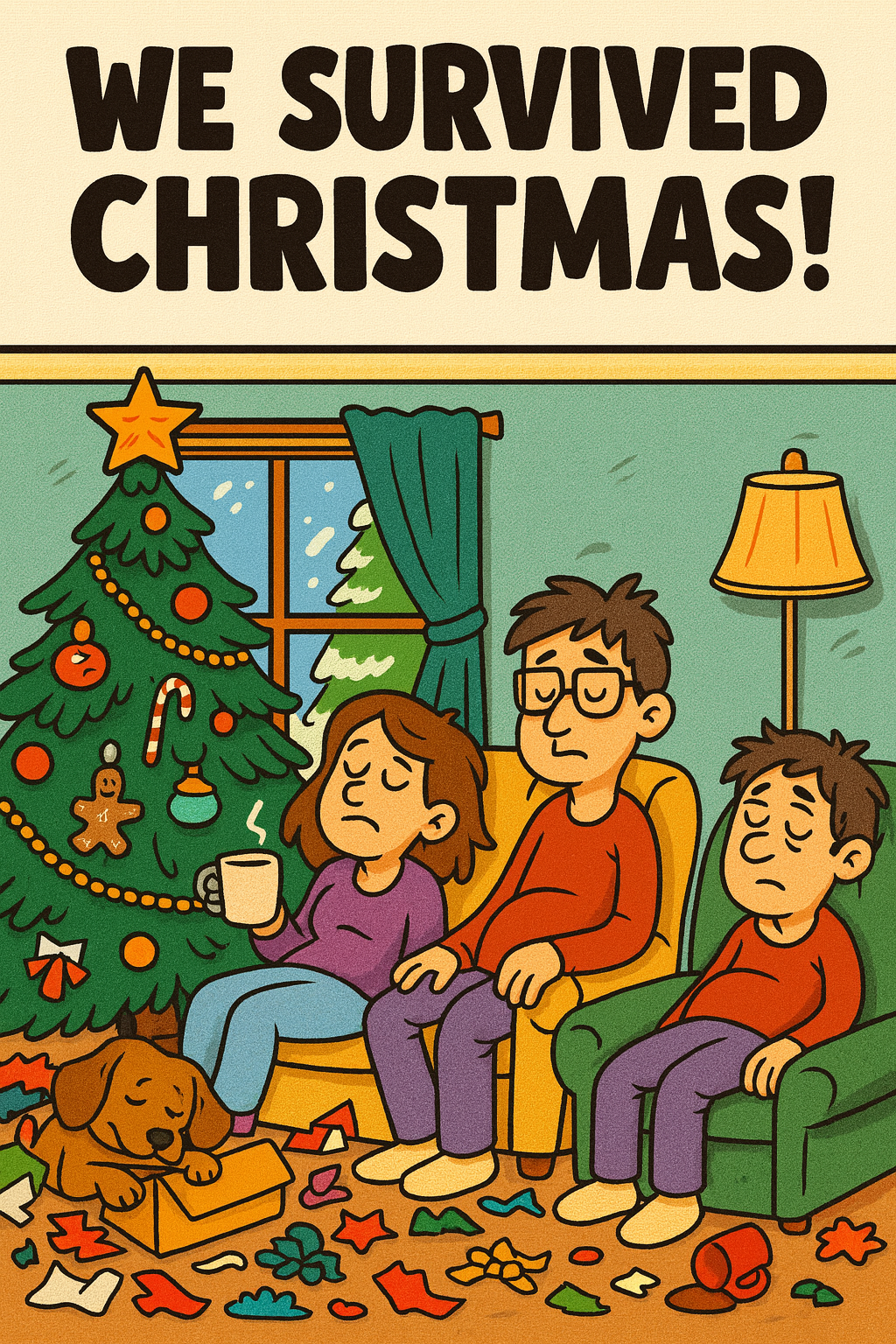
This is the first year where Christmas didn’t follow us into January.
🧪 2. Christmas vs Plan B — The Stress Test
December threw everything at us:
- Christmas
- Kids’ sports fees
- A puppy
- School events
- A few emotional spending moments
- Higher fuel and grocery runs
- A dental visit
- A late fee from Chase
- A reduced avalanche payment
In past years, this combination would have wrecked the budget.
But this time, Plan B absorbed every hit.
Here’s how:
✔ Categories stayed consistent
Christmas stayed in Christmas.
Kids’ sports stayed in Kids.
Medical stayed in Medical.
Subscriptions stayed in Subscriptions.
Nothing bled into the wrong category.
✔ The Tuition Buffer did its job
We used it to keep Christmas off credit cards.
Now the goal is to replenish it and hit $3,000 by August 2026.
This is exactly why buffers exist.
✔ Savings continued
Even in December, we still saved over $400 across four accounts.
That’s unheard of for us.
✔ No new revolving debt
Three cards stayed clean.
Two cards were active but controlled.
Every payment was made.
✔ January starts clean
No rollover.
No panic.
No “we’ll deal with it later.”
Plan B didn’t just survive December — it proved it can handle real life.
💡 3. What Surprised Me
Christmas cost less than it felt.
Because everything was tracked, the emotional weight didn’t turn into financial chaos.
I didn’t get stressed like I usually do watching money fly out the door.
I felt in control — and even my wife’s love of spending didn’t get to me, because we were prepared.
The Tuition Buffer was the MVP.
Using it was the right call.
It kept us from using credit and protected January.
The system stayed stable even when I didn’t make the full avalanche payment.
This was the hardest part mentally.
But the system is designed to flex, not punish.
Kids’ sports and the puppy were bigger factors than expected.
But they were absorbed without breaking anything.
📈 4. What We Learned
1. Christmas needs its own savings account.
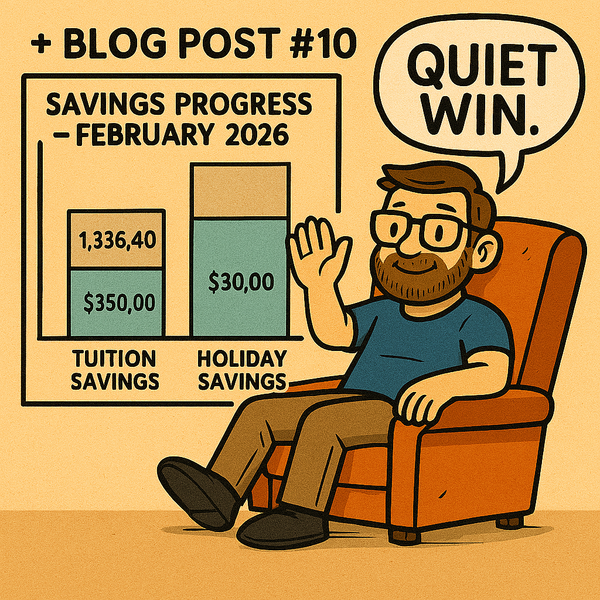
We created Holiday Savings (Share 25) in December.
Goal: $3,000 by July 2026
This will prevent future December stress.
2. The avalanche method can pause without collapsing.
December required a temporary adjustment.
But the system stayed intact.
3. Tracking removes guilt.
When everything has a category and a purpose, the emotional weight disappears.
4. Plan B is resilient.
December was the hardest month of the year.
And the system held.
🧑🔧 5. Wrapping Up
December wasn’t perfect — but it was controlled, intentional, and fully documented.
That’s the real win.
The new puppy (Luna Shorts) has brought joy to the family, and our senior dog Duke (7 years old) finally has a friend. Being alone for the past three months made him anxious — he started compulsively licking all four paws, which led to an infection. More vet bills, of course. But now he has a buddy keeping him occupied, and he’s healing.
For me, the best part of this Christmas (thanks to Plan B and AI) was:
- We didn’t add new debt.
- We didn’t lose control.
- We didn’t let Christmas bleed into January.
- We didn’t abandon the system.
Instead, we used Plan B exactly the way it was designed:
to handle real life, not fantasy life.
Next post will cover the full December reconciliation, including the final numbers, category variances, and what we’re adjusting for 2026. We’ll also start January 2026 with an update on short‑term goals and how we’re adapting after Christmas.
🧑🔧 Thanks for stopping by. Goodbye.